|
We are on week two of our walking socials. I am seeing some happy students each week. Not only during our walk but on Zoom too. I spent some time thinking about this, its community. Over time, the students that see each other often, start to build lasting connections. They look forward to seeing each other every week. Its a break in their routine, a break from loneliness. A chance to share and be heard and listen to others. Lets face it, the mental health of many ASD youth is affected by the lockdown. Small things like, meeting online once a week for a class or social, connecting to each other in group email exchanges, or getting out of the house for walk really makes a difference. Parents, take advantage of what is being offered locally for your ASD child, trust me, it helps, I see changes from just the small steps we take weekly.
0 Comments
Your comment will be posted after it is approved.
Leave a Reply. |
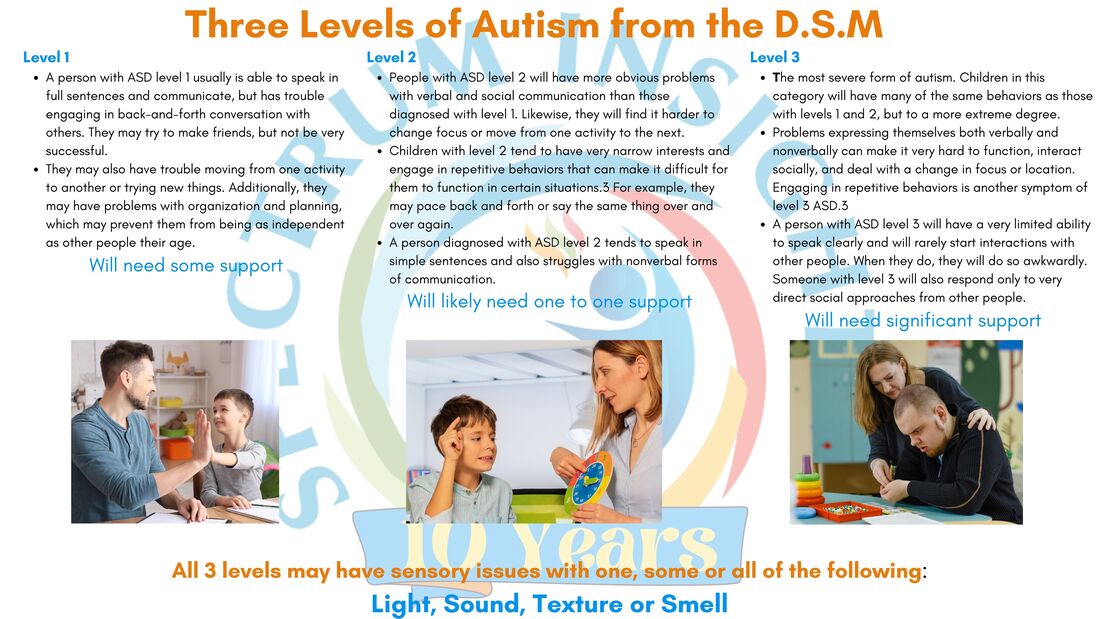
Program Fit & Participation RequirementsOur programs are designed for neurodivergent students (ASD Level 1 / ADHD) who are able to participate independently in a group-based setting with minimal support.
This includes students who can: • engage in reciprocal conversation with peers and staff • follow verbal direction without ongoing one-to-one support • manage transitions between activities and environments • tolerate community environments (public transit, busy streets, malls, outdoor walking, summer weather) • self-regulate when frustrated, overwhelmed, or disappointed • advocate for their needs with minimal assistance Important ConsiderationsOur program is not designed for students who require one-to-one support or who have moderate to substantial support needs (ASD Level 2 or Level 3) in areas such as communication, behavior, mobility, or daily functioning. This is not about inclusion. It reflects the structure and staffing of our program. We operate in small groups, often in community settings, where staff support multiple students at once. Because of this, we are not able to safely provide: • one-to-one supervision or care • ongoing behavioral intervention or de-escalation support • individualized mobility assistance across multiple locations Our program is a social and life skills environment, not a behavior management or therapeutic program. Spectrum Insights is in the news:
Click the image below to hear our interview on CFRA with Dahlia Kurtz Archives
February 2026
|